Contact

How the Children’s Classics Can Change Your Life: Heidi
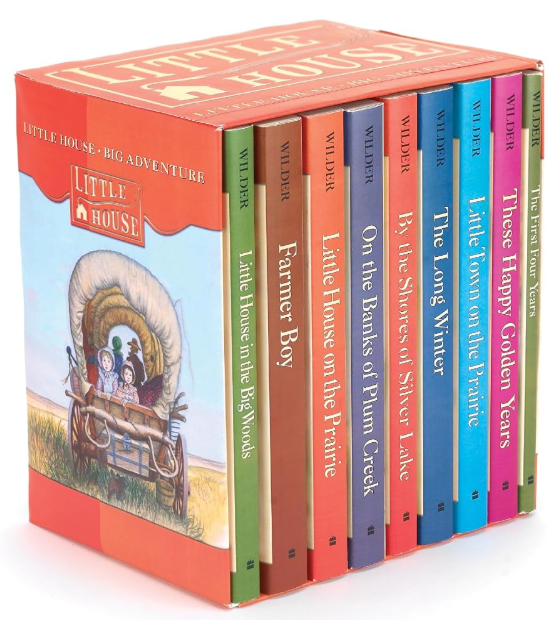
One of my favorite things about being a dad is getting to introduce the books I read as a boy to my own children. Just recently, we’ve read through Little House in the Big Woods, Little House on the Prairie, and Heidi with our four-year-old, and with the exception of the moment where Peter the goatherd smashes Clara’s wheelchair, which ruined my daughter’s evening and made her fiercely wish for horrible things to happen to him, she has loved them as much as we did. But re-reading these classics again, I’ve noticed something: these stories are now artifacts of a different age.
Nearly all of the great children’s classics were written by Christians—cultural or otherwise—for an audience that was either personally or culturally Christian, as well. As Christian practice has become the purview of a shrinking minority, the culture reflected in the children’s classics has become a fundamentally foreign one. This is why abridged versions of these classics (which should be avoided if at all possible) almost always cut out the Christian bits—those are the parts that confuse post-modern readers. The literary butchers carve them down and present us the stories with the soul sliced out.
But as Christian values fade from the public square, classic literature becomes correspondingly more valuable. In a culture awash with degraded entertainment created by storytellers who hate the faith our civilization was founded on, the alternative that many parents seek has been there all along—Anthony Esolen once told me that classics are “the great unused artillery of the culture wars.” These stories are now a beautiful way to buttress any Christian education, with the principles and practices of the Christian life presented to the reader by some of the greatest writers who ever put pen to paper.
Johanna Spyri’s Heidi is one such book. Reading it as a boy, the Christianity that permeates the story seemed natural to me. Of course Heidi prayed before bed. Didn’t all children? It was one of the first things our parents taught us, and we thought this was universal. So effective (and admittedly sheltered) was our upbringing that it was not until years later that I realized the truth—that this was a post-Christian culture, and that nearly everybody, like Heidi’s Alm-Uncle, had long since ceased praying. But unlike the Alm-Uncle, our secular neighbors show no indication of returning to pews abandoned not years, but often generations ago.
Reading Heidi this time around, I wondered if the average Western child today possesses the cultural context to understand the story. The stories and the practices of Christianity were once a second (or even first) language of millions for generations. Now, those stories are virtually unknown and the practices have largely died out. What child today, outside of a handful of Christian enclaves, could understand these words of Heidi: “We must never forget to pray, and to ask God to remember us when He is arranging things, so that we too may feel safe and have no anxiety about what is going to happen.”
Or: “God is good to all of us. He knows what we need better than we do. And just because he thinks it is better not to give you what you want right now doesn’t mean he isn’t answering you. You shall have what you ask for but not until the right time comes.”
Johanna Spryi felt no need to explain these things in depth because she was writing for a culturally Christian society that knew, she could safely assume, what she was talking about even if they had not experienced it for themselves. Spyri herself was a devout member of the Swiss Reformed Church in Zürich (her maternal grandfather was a Reformed pastor.) Without understanding Christianity, Heidi as Spyri intended it is inaccessible. It is not simply the story of a little girl living an idyllic life amidst the Alps; it is the story of a prodigal son (the Alm-Uncle) returning to much rejoicing, and of the essential nature of prayer.
To be continued . . .